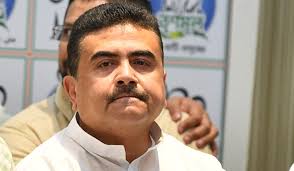
Suvendu Adhikari Biography: Age, Wife, Qualification, Constituency and Education
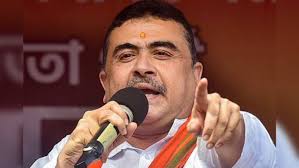
Suvendu Adhikari is one of the most consequential political figures to emerge from West Bengal in the post-liberalisation era of Indian democracy. Born on December 15, 1970, in Contai, Purba Medinipur district, West Bengal, he comes from a deeply political family that has shaped the grassroots landscape of the region for decades. His father, Sisir Kumar Adhikari, is a veteran politician who served in both the West Bengal Legislative Assembly and the Lok Sabha, and the household in which Suvendu grew up was one where political conversation, public service, and community engagement were part of everyday life. He entered student politics as early as 1987, laying the foundation for a career that would eventually place him at the very top of Bengal’s political establishment.
You can also read: Vijay Thalapathy Biography
He began his formal political journey in 1995 by joining the Indian National Congress, through which he was elected as a councillor from the Contai Municipality of West Bengal. In 1998, he crossed over to the newly formed All India Trinamool Congress led by Mamata Banerjee, becoming one of its earliest members and a trusted aide to the party’s supremo. Over the following two decades, he rose steadily through the ranks. He was elected to the West Bengal Legislative Assembly from the Kanthi Dakshin constituency in 2006, then to the Lok Sabha from Tamluk in 2009, a seat he retained in 2014. He was subsequently appointed as a Cabinet Minister in the West Bengal government, serving as Transport Minister and later as Minister for Irrigation and Water Resources.
His most celebrated act of political courage came in 2020 when, following growing tensions with the TMC leadership, he resigned from the party and joined the Bharatiya Janata Party (BJP) in December of that year. The move sent shockwaves through Bengal’s political order. In the 2021 Assembly elections, he stood against none other than Chief Minister Mamata Banerjee herself in the Nandigram constituency and defeated her, a result that reverberated across the country. He was subsequently appointed Leader of the Opposition in the West Bengal Legislative Assembly, a position from which he spent the next five years building the BJP’s organisational strength across the state.
The 2026 West Bengal Legislative Assembly elections delivered the most decisive chapter yet of his career. Contesting simultaneously from both the Nandigram and Bhabanipur constituencies, he defeated Mamata Banerjee again in her own stronghold of Bhabanipur, this time by a margin of 15,105 votes, while also winning Nandigram. The BJP swept to power with 207 seats in the 294-member assembly, comprehensively ending fifteen years of TMC governance. On May 8, 2026, Suvendu Adhikari was elected leader of the BJP legislative party in the presence of Union Home Minister Amit Shah, and he was scheduled to be sworn in as the 9th Chief Minister of West Bengal on May 9, 2026, becoming the first BJP leader to hold the office in the state’s history.
Suvendu Adhikari Age
Suvendu Adhikari was born on December 15, 1970, making him 55 years old as of 2026. He was born in Contai, Purba Medinipur, West Bengal, and his zodiac sign is Sagittarius. At 55, he is assuming the highest executive office in West Bengal at an age that combines the energy of an active and experienced politician with the accumulated wisdom of someone who has been navigating the complexities of Indian democracy since his teenage years. He entered student politics in 1987 at the age of just 17, which means he has been engaged in political life for nearly four decades, a span that covers three different party memberships and five different elected positions across the Lok Sabha and the West Bengal Legislative Assembly.
You can also read: Zia Faruqui Biography
His transition from grassroots councillor in 1995 to Chief Minister of West Bengal in 2026 took exactly 31 years, a journey shaped by patience, political calculation, and an ability to read the shifting currents of Bengal’s complex social and electoral landscape. His height is approximately 5 feet 5 inches, and he is known for his confident public speaking style and commanding presence at political rallies, qualities that have helped him build a direct and loyal connection with voters across rural and semi-urban Bengal.
Suvendu Adhikari Wife
Suvendu Adhikari is unmarried. This is not an omission or a matter of personal secrecy but a deliberate and publicly stated personal choice that he has addressed directly in interviews on multiple occasions. In a 2021 interview with India TV, he stated clearly, “I am unmarried, and the best part about celibacy is that I have a lot of time for work and no personal obligations.” He linked his decision to remain single to his long-standing commitment to public life, explaining that celibacy allows him to channel his energy entirely into political service without the competing demands of domestic life.
You can also read: Shakti Kapoor Biography
In political circles across West Bengal, his unmarried status has often been cited as one of the factors behind his reputation for single-minded focus and tireless campaign energy. He has been described by colleagues and observers as someone who treats politics not merely as a profession but as a total vocation, a quality that his personal circumstances appear to both reflect and reinforce. His decision has drawn occasional public curiosity, particularly as he rose to the most prominent position in the state, but he has consistently addressed it with directness and without apology, framing celibacy as a personal and professional strength rather than a sacrifice.
Suvendu Adhikari Qualification
Suvendu Adhikari holds a Master of Arts (M.A.) degree, making him a postgraduate in academic standing. He completed his undergraduate education in Arts at Contai P.K. College, an institution located in his home district of Purba Medinipur. He subsequently pursued and earned his M.A. from Rabindra Bharati University in Kolkata, completing the degree in the year 2011. Some sources also cite his postgraduate qualification as being from Netaji Subhas Open University, reflecting the dual academic path he may have pursued, though his officially declared affidavit with the Election Commission of India confirms the M.A. from Rabindra Bharati University in 2011 as his highest academic credential.
You can also read: Prince Yadav Biography
His academic qualifications, while modest by the standards of technocratic political systems, are consistent with the profile of a politician whose expertise was built not in lecture halls but in the field, through years of community organising, legislative work, ministerial administration, and electoral campaigning. His educational background in Arts gave him a foundation in humanities that arguably informed his understanding of Bengal’s rich cultural and social landscape, knowledge that has served him well in crafting political messaging and building broad public coalitions across caste, religion, and regional lines.
Suvendu Adhikari Constituency
Suvendu Adhikari has represented multiple constituencies across his political career, beginning at the local level and rising progressively to the state and national stage. His first elected position came in 1995 when he was elected as a councillor from the Contai Municipality in West Bengal. In 2006, he won the West Bengal Legislative Assembly election from the Kanthi Dakshin constituency, entering the state legislature for the first time.
You can also read: Yesha Sagar Biography
He transitioned to national politics in 2009 when he was elected to the Lok Sabha from the Tamluk constituency in Purba Medinipur, a seat he successfully defended in the 2014 general elections. Returning to state politics, he was elected MLA from the Nandigram constituency in 2016 and again in 2021, with the 2021 victory being the one that made national headlines as it came at the expense of then-Chief Minister Mamata Banerjee herself.
In the 2026 West Bengal Assembly elections, Suvendu Adhikari made the unprecedented decision to contest simultaneously from two constituencies, Nandigram and Bhabanipur, the latter being the seat held by outgoing Chief Minister Mamata Banerjee. He won both, defeating Banerjee in Bhabanipur by 15,105 votes and winning Nandigram by a margin of 9,665 votes over TMC’s Pabitra Kar. Political historians noted that the last time an incumbent Chief Minister was defeated on their own seat by a candidate contesting two seats simultaneously was in 1967, placing Suvendu’s achievement in genuinely historic company. He was subsequently sworn in as Chief Minister representing Bhabanipur.
Suvendu Adhikari Education
Suvendu Adhikari’s educational journey began in his hometown of Contai in Purba Medinipur, where he completed his schooling before proceeding to higher education. He earned his Bachelor of Arts degree from Contai P.K. College, an institution that has produced numerous public figures from the Medinipur region and has a strong academic standing within West Bengal’s collegiate network.
You can also read: Krish Bhagat Biography
After completing his undergraduate studies, he went on to pursue a Master of Arts degree from Rabindra Bharati University in Kolkata, one of the state’s prominent public universities with a particular reputation for its programs in the arts, humanities, and performing arts. He completed this postgraduate qualification in 2011, a point in his career when he was already a serving Cabinet Minister in the West Bengal government, which speaks to his commitment to furthering his formal education even while discharging significant administrative responsibilities.
Beyond formal academic credentials, Suvendu Adhikari’s most substantial education has been the political and administrative schooling he received through decades of hands-on governance. As Transport Minister, he oversaw large-scale infrastructure projects and public transport reforms. As Irrigation and Water Resources Minister, he managed systems that directly affected agricultural livelihoods across the state. These practical experiences, combined with his early exposure to grassroots political organising under the mentorship of his father Sisir Kumar Adhikari, produced a public leader whose understanding of Bengal’s social and administrative landscape is both broad and deeply rooted in lived experience.