Umashi Dhlamini Biography: Profile, Age and Education
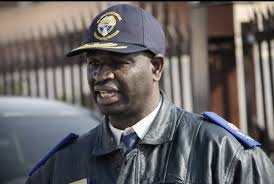
Umashi Samson Dhlamini is a South African law enforcement officer who spent the better part of his adult life rising through the ranks of one of the country's most prominent municipal police forces, the Tshwane Metro Police Department, commonly known as the TMPD. He was born around 1984 in Soshanguve, a densely populated township situated on the northern outskirts of Pretoria in Gauteng Province. Growing up in Soshanguve during the twilight years of apartheid and the early, turbulent period of South Africa's democratic transition meant that Dhlamini came of age in a community shaped by political consciousness, economic hardship, and a fierce collective determination to build something better.
You can also read: Sabastian Sawe Biography
His childhood was rooted in working-class values. The Dhlamini family was involved in the local taxi industry, which in South Africa is not merely a transport business but a deeply embedded community institution with its own culture, politics, and social networks. By the mid-1990s, while still a young man, Umashi had already taken an active hand in helping manage the family's taxi operations, learning early lessons about responsibility, negotiation, and the weight of decisions that affect other people's livelihoods.
Before committing fully to law enforcement, Dhlamini was involved in student activism, a chapter of his life that brought him into contact with a wide network of young political operatives and community organizers across the Pretoria area. It was through that world that some of the personal connections he later described at the Madlanga Commission were first forged. He eventually joined the Tshwane Metro Police Department, where he dedicated years of service to climbing through the institutional hierarchy. He reached the senior position of Deputy Chief, a rank that placed him among the department's most senior leadership, responsible for overseeing support and administrative functions across the force.
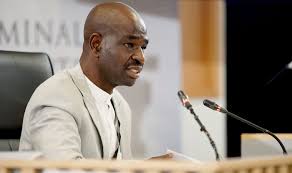
His career came under intense national scrutiny in 2025 and 2026 when his name was cited in proceedings before the Madlanga Judicial Commission of Inquiry, a body established by President Cyril Ramaphosa to investigate allegations of corruption and misconduct in the criminal justice system. Dhlamini has consistently and firmly denied all allegations of wrongdoing throughout the proceedings.
Umashi Dhlamini Profile
Umashi Samson Dhlamini is known professionally as a senior municipal police officer who served at the leadership level of the TMPD, one of the busiest and most operationally complex metro police departments in South Africa. His full name is Umashi Samson Dhlamini, and he holds South African nationality. He was born in Soshanguve, Pretoria, in the Gauteng Province of South Africa, around the year 1984. His professional designation at the height of his career was Deputy Chief of the Tshwane Metro Police Department, a position that placed him in charge of the department's support and administrative division.
You can also read: Alessandro De Rosa Morricone Biography
His responsibilities in that role covered the internal mechanics that keep a large law enforcement organization functioning effectively, from procurement oversight to administrative coordination. He has been described by those who know him personally as a community-rooted individual with long-standing ties to the Soshanguve area, where he grew up and where many of his personal relationships were first established. His family has strong roots in the local taxi industry, which shaped his early understanding of community responsibility and practical leadership.
Outside of his professional life, Dhlamini is a married man whose wife has been described as someone actively involved in counselling and personal support within their wider social circle. He has described himself as someone who deliberately avoids engagement with politicians, a decision he told the Madlanga Commission was personal and long-held, rooted in a history he chose not to elaborate on publicly. He was placed on a voluntary precautionary suspension in March 2026 following the emergence of allegations at the commission, an unusual step that the commission's evidence leader acknowledged was atypical for a government official. As of April 2026, Dhlamini remains on suspension while investigations continue, and he has denied every allegation put to him before the commission.
Umashi Dhlamini Age
Umashi Dhlamini was born in approximately 1984, which places him at around 41 to 42 years of age as of 2026. His exact date of birth has not been formally disclosed in any public record or official statement, and no verified birth certificate details have been entered into the public domain. The estimate of 1984 is drawn from biographical accounts that place his primary school years at Entokozweni Primary School in Soshanguve during the early 1990s, which is consistent with a child born in the early-to-mid 1980s.
What is notable about Dhlamini's age relative to his career is the comparatively senior position he achieved within the TMPD by his early forties. Reaching the rank of Deputy Chief in a metropolitan police department of Tshwane's scale requires years of accumulated service, institutional knowledge, and demonstrated operational competence. This suggests that Dhlamini committed to law enforcement as a career path from a young age and advanced steadily and deliberately through the ranks over an extended period.
His generation of South Africans, those who grew up in townships during the final years of apartheid and came into adulthood during the democratic transition of the 1990s, occupy a particularly significant place in the country's institutional history. They were shaped by political turbulence, community activism, and the enormous expectations that accompanied the birth of the new South Africa. Dhlamini's career arc, from township youth involved in student activism to a senior official managing one of the country's largest metropolitan police departments, reflects both the opportunities that democratic South Africa created and the pressures and scrutiny that inevitably come with holding public authority in a society still actively working to build trust in its institutions.
Umashi Dhlamini Education
The formal details of Umashi Dhlamini's post-secondary education and professional qualifications have not been comprehensively disclosed in public records or through official statements by the City of Tshwane or the TMPD. What is known from his own testimony and from available biographical information is that his foundational schooling took place at Entokozweni Primary School in Soshanguve, where he spent his formative years during a period of rapid social and political transformation in South Africa.
You can also read: Yesha Sagar Biography
Beyond primary school, Dhlamini was actively involved in student activist networks during his youth, suggesting continued engagement with secondary and possibly tertiary educational environments where political organizing was vibrant and deeply embedded throughout the 1990s. His references to former fellow student activists, people he described during his Madlanga Commission testimony as individuals he had known since their shared days in student politics, point to a young adulthood in which civic engagement and political education were as formative as any formal classroom experience.
For senior appointments within South African metropolitan police departments, candidates are generally required to hold relevant qualifications in policing, law enforcement management, or public administration. Reaching the rank of Deputy Chief within the TMPD would typically require not only years of operational experience but also formal professional development, including accredited training through bodies such as South Africa's Safety and Security Sector Education and Training Authority, commonly known as SASSETA. While the specific degrees or diplomas Dhlamini holds have not been placed on public record, his career progression through the TMPD to a senior leadership position serves as a practical indicator that he met the qualification and competency requirements the department demands of its most senior officers.
His background in community relations, practical business operations through the family taxi enterprise, and years of grassroots student activism all contributed to a broader foundation of real-world knowledge that complemented whatever formal training he undertook on his path to the upper ranks of municipal law enforcement. Together, these experiences helped shape the kind of institutional awareness and interpersonal familiarity with community networks that define his professional identity as it has been presented both inside the TMPD and before the Madlanga Commission.